New statistics published by the Department for Environment, Food and Rural Affairs (Defra) provide the latest insight into energy use, renewable energy generation and carbon auditing among commercial farm businesses in England.
The Energy use on farms in England 2024/25 publication uses information collected through the Farm Business Survey (FBS) to examine the fuels used by farms, the generation and sale of renewable energy, and farmers’ plans for the future. It also covers the uptake of carbon audits, the calculators being used and the actions farms have taken following an audit.
Red diesel remains the most commonly used fuel
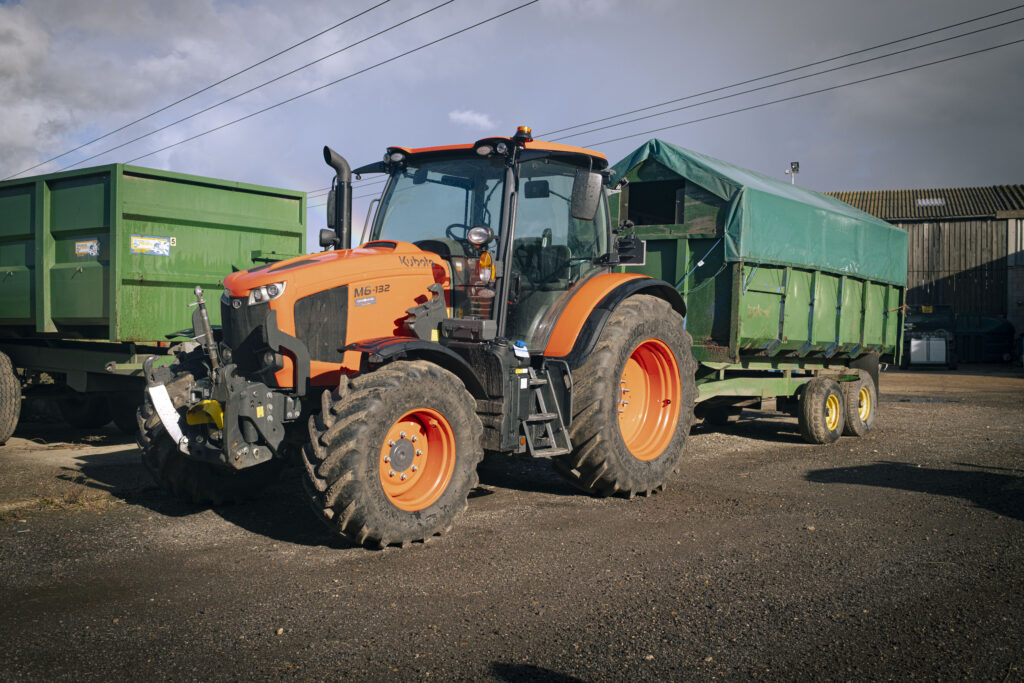
In 2024/25, red diesel was used by 98% of commercial farm businesses in England.
Farms used an average of approximately 13,000 litres during the year, compared with 11,500 litres in 2023/24. Usage varied according to farm size, with larger businesses—measured using Standard Labour Requirement—using more fuel on average.
One third of farms generate renewable energy
The findings also highlight the role renewable energy is playing on farms. In 2024/25, 33% of commercial farm businesses generated some form of renewable energy, with solar power the most common option.
Among farms generating solar power:
- 89% had solar panels installed on farm-building rooftops.
- 6% had solar panels installed in fields.
- 76% generated solar energy to help reduce their energy bills.
Carbon-audit uptake varies by farm type
By 2024/25, 19% of commercial farm businesses had completed a carbon audit. Uptake was highest among dairy farms, with 54% having carried out an audit.
The publication also explores the carbon calculators used by farmers and the actions farm businesses have taken as a result of completing an audit.
Thank you to all the farmers who provided information through the Farm Business Survey. Their contribution helps build a reliable evidence base for understanding the opportunities and challenges facing English agriculture.
Read the full Energy use on farms in England 2024/25 publication.